
The magic of passive levitation
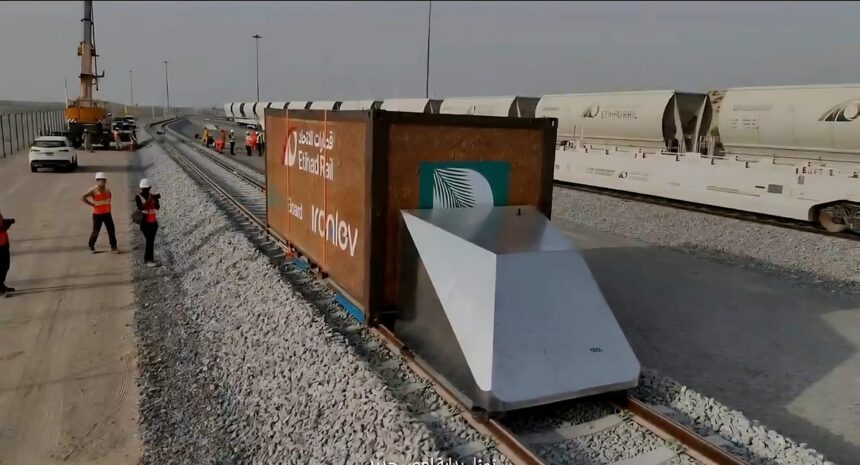
In contrast to conventional maglev techniques that require specialised, power-hungry tracks, this trial utilises passive ferromagnetic levitation. In easier phrases, the system makes use of everlasting magnets to raise the practice above present rails with no need a continuing stream of electrical energy simply to remain afloat. It’s a “better of each worlds” situation: we get the ultra-smooth, high-speed advantages of maglev expertise whereas utilising the large rail infrastructure the UAE has already constructed.
Breaking down the numbers
Through the trial on the Al Faya Depot, the expertise proved it might deal with the heavy lifting. The check run noticed a platform efficiently transport a 7-ton container over a 1.2 km stretch. Much more spectacular is the effectivity; by eliminating the bodily contact between the wheels and the tracks, friction turns into a factor of the previous. Early knowledge suggests this might result in a staggering 29 per cent discount in power consumption in comparison with conventional rail techniques.
Why this issues for the UAE
As Etihad Rail gears up for its full passenger community launch in 2026, sustainability is the secret. By decreasing put on and tear on the tracks and slashing carbon emissions, this maglev integration aligns completely with the UAE’s Internet Zero targets. We’re taking a look at a future the place touring at speeds of as much as 200km/h appears like gliding on air as a result of, technically, you might be.