
The UAE’s Tier-2 and Tier-3 cities and cities are set to realize considerably from the launch of Etihad Rail’s passenger providers subsequent 12 months – an improve that would probably elevate them to Tier-1 and Tier-2 standing.
In keeping with actual property trade leaders, improved pace and connectivity between main hubs like Dubai and Abu Dhabi and outlying areas corresponding to Al Dhaid, Ruwais, and Fujairah will increase demand in these areas, driving up each property costs and rental charges.
“The launch of Etihad Rail is ready to rework the UAE’s residential property panorama by making inter-emirate commuting sooner and extra handy. Areas that had been as soon as seen as too removed from main employment hubs, corresponding to Ras Al Khaimah, Fujairah, and rising communities in Abu Dhabi and Sharjah, are prone to see a rise in demand for each off-plan and prepared houses,” stated Mark Castley, CEO of Actual Property at Huspy.
Keep updated with the most recent information. Observe KT on WhatsApp Channels.
He added that enormous infrastructure initiatives like Etihad Rail usually gasoline actual property progress in surrounding areas by enhancing accessibility and unlocking new demand.
Tier-1 cities are usually extra developed, extremely urbanised, and supply stronger infrastructure, a better price of dwelling, and extra employment alternatives. In distinction, Tier-2 cities are sometimes extra inexpensive and fewer densely populated.
“As commuting turns into simpler and sooner, we’ll seemingly see extra residents transferring additional out from present metropolis hubs searching for bigger houses and higher worth for cash. This shift in demand will naturally push up rental costs in areas that had been beforehand thought-about too far out resulting from visitors or commute instances,” Castley continued, noting early indicators of shifting tenant preferences towards rail-connected zones resulting from diminished transport prices.
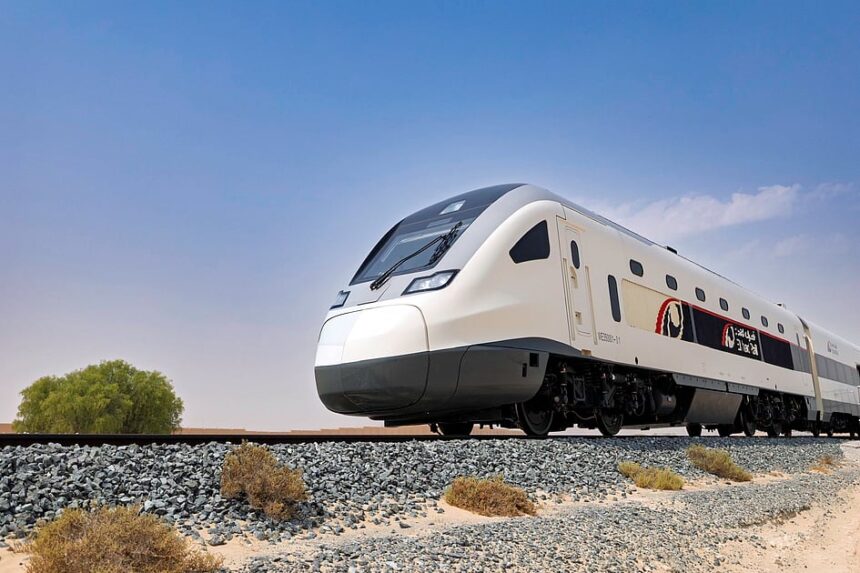
Etihad Rail’s nationwide passenger community is scheduled to start operations in 2026. As soon as operational, it’s anticipated to hold round 36.5 million passengers yearly by 2030. Spanning roughly 900 kilometres, the railway will hyperlink 11 cities and areas throughout all seven emirates.
Firas Al Msaddi, CEO of fäm Properties, famous that land values in Tier-2 cities like Fujairah, Al Dhaid, and Ruwais will face upward pricing strain – not from hypothesis, however from natural demand.
“Transit-oriented developments will emerge close to confirmed station zones. Suppose walkable mixed-use clusters round stations like College Metropolis, Sakamkam, and Mussafah.”
“Second-home markets will probably be redefined. A household would possibly reside in Dubai however personal a weekend seashore unit in Fujairah, and truly use it, as a result of it’s lower than an hour away. Dubai will nonetheless dominate, however the edges of its dominance are about to increase. Jumeirah Golf Estates station will probably be a brand new high-performance hall,” Al Msaddi stated.
“We’re not simply speaking about transportation. We’re speaking about pace, interconnectivity, and productiveness, and the way all of that compresses area and time. And whenever you compress area and time, you cut back alternative price. That’s the place the actual worth is unlocked.”
“This can be a UAE transformation. Every emirate has all the time had one thing distinctive to supply. However till now, the chance price of motion, whether or not for individuals, items, or capital, has been too excessive. Etihad Rail adjustments that. Once you minimize journey time from 2 hours to 50 minutes between cities, you don’t simply save time, you reshape the place individuals select to reside, work, and make investments. What was ‘too far’ immediately turns into subsequent door,”he added.
Firas continued, “Fujairah is now not the tip of the UAE, it’s the Jap gateway. Ras Al Khaimah turns into a viable weekend marketplace for a Dubai household. Al Ain turns into a practical base for distant professionals who can now be within the capital or on the coast in underneath an hour. This creates a whole re-pricing of land worth, not primarily based on geography, however primarily based on accessibility.”
Citing a case examine, he referenced how satellite tv for pc cities in Japan reworked after the introduction of the Tokyo-Osaka Shinkansen Line.
“Inside 5 years of the road turning into absolutely operational, each cities witnessed over 40 per cent enhance in industrial land values and greater than 60 per cent enhance in population-linked housing demand.”
“Nagoya, particularly, went from a second-tier market to one of the crucial aggressive logistics and workplace markets in Japan. Why? Not as a result of individuals beloved trains, however as a result of enterprise journey, tourism, and hybrid commuting unlocked financial circulation that was beforehand bottlenecked by time.”
“That very same precept applies right here, however with one essential distinction: The UAE is constructing this at a time when we now have zero legacy issues. That is the most recent, most tech-enabled rail system on the planet,” Firas stated.
Waheed Abbas
Waheed Abbas is Assistant Editor, masking actual property, aviation and different enterprise tales that straight have an effect on the lives of UAE customers. He often studies human curiosity tales, too.